
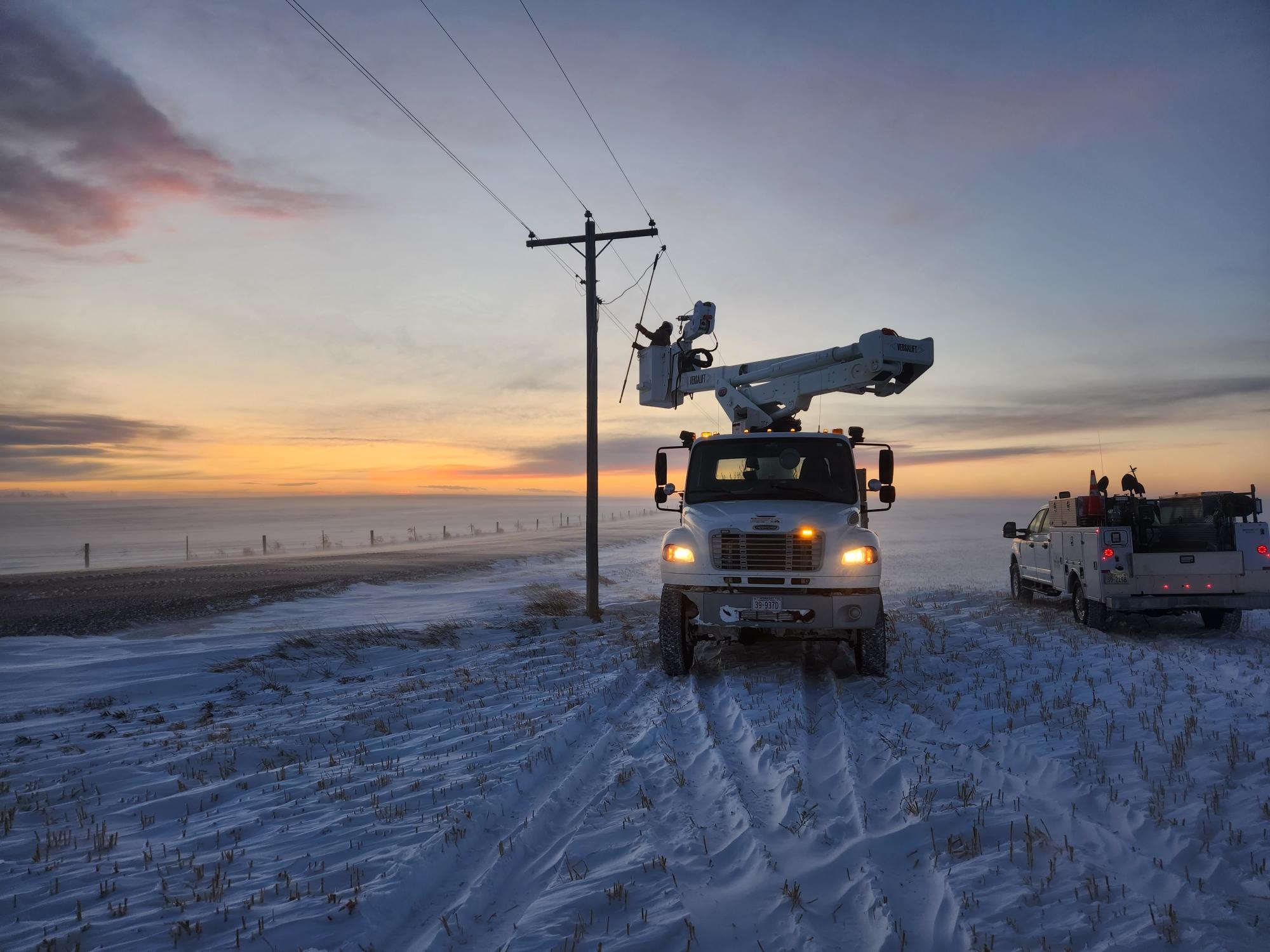
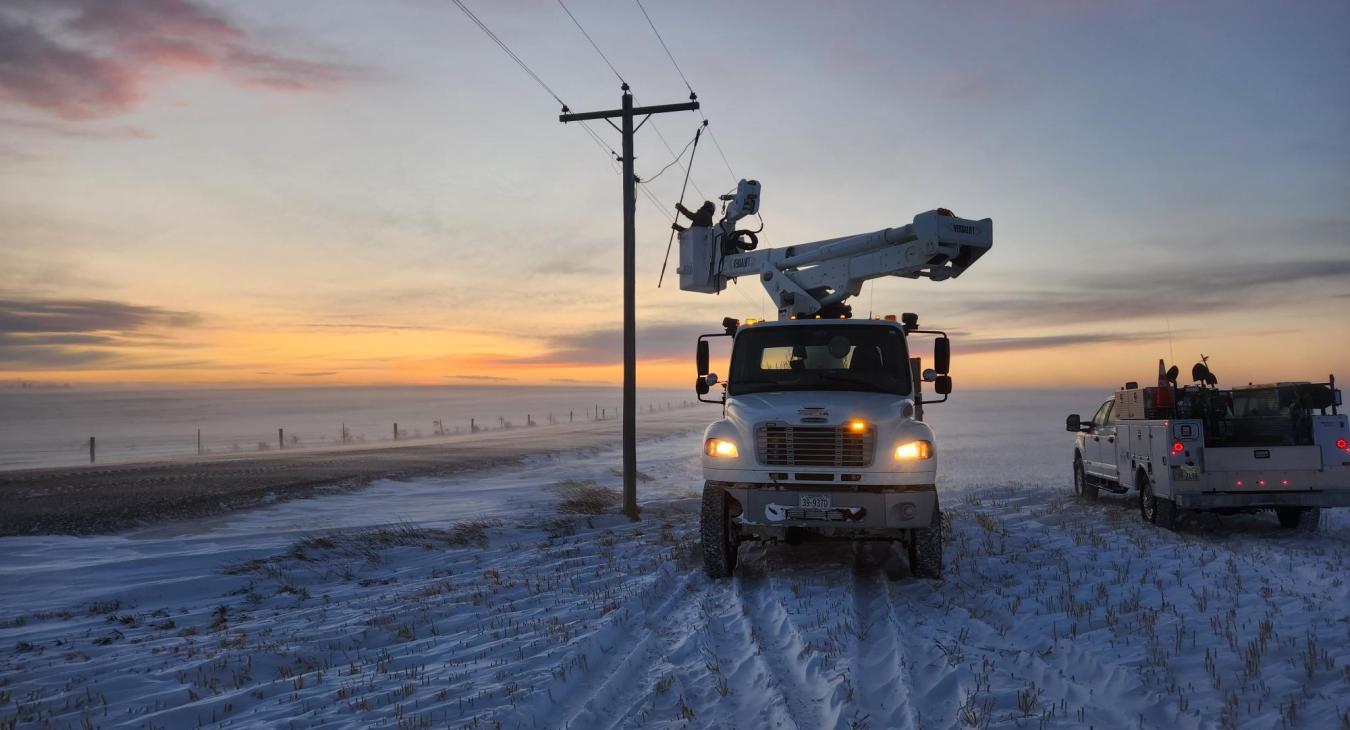
Working outdoors in the cold? Here’s how to protect yourself from frostbite and hypothermia this winter.
When the temperature drops, so does your body’s ability to stay safe. Outdoor workers — and those who enjoy outdoor sports like hunting, fishing or hiking — face added risks and must take extra steps to guard against frostbite and hypothermia.
Follow these tips and have a plan to stay safe when working outdoors:
Watch the weather. Monitor the temperature and wind chill. Take frequent breaks indoors to help prevent cold stress.
Stay warm and dry. Dress in loose, warm layers. Wear a moisture-wicking base, an insulating mid-layer, and a protective outer layer (flame-resistant/arc-rated if required for your work). Use warm socks and waterproof boots. Remove any wet clothing as quickly as possible.
Protect your head and face. Use a hat, hood, or hard-hat liner. When required for your job, choose FR/AR-rated liners or balaclavas. Avoid bulky hats or loose scarves.
Keep your hands safe. Wear insulated gloves or mittens to guard against frostbite. If working with electricity, always use voltage-rated protective gloves with approved liners — never substitute regular winter gloves in place of necessary personal protective equipment (PPE).
Fuel your body. Drink warm fluids, stay hydrated and eat high-energy foods such as granola bars, raisins and peanut butter.
Know the warning signs. Watch for frostbite (numbness, skin color changes) and hypothermia (shivering, confusion, slurred speech).
Be prepared on the road. Keep a winter emergency kit in your vehicle with blankets, traction aids, and extra PPE.