

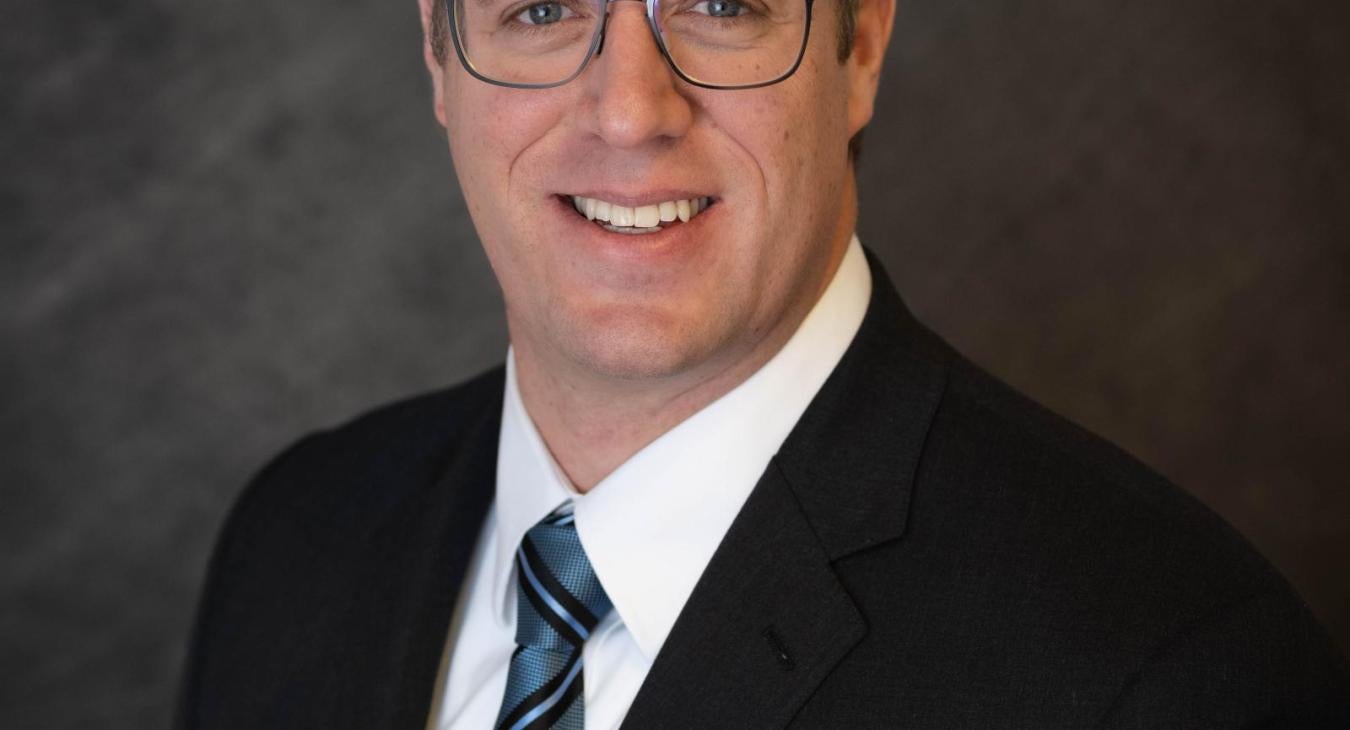
By Brandon Lehman, Perennial Public Power District general manager
Affordability remains one of the most important issues facing rural Nebraska families, farmers, ranchers, and businesses. Whether it is the cost of groceries, fuel, housing, or electricity, every dollar matters in communities where budgets are carefully managed, and economic competitiveness depends on controlling operating costs.
During his recent visit to Grand Island, President Trump emphasized affordability as a central theme of his remarks, announcing actions intended to lower transportation and fuel costs while highlighting the importance of policies that reduce financial burdens on working Americans. In announcing expanded access to tax-free red-dyed diesel, the president described the measure as "another unprecedented step to bring down costs" and argued that reducing energy and transportation expenses can have a ripple effect throughout the economy.
For Nebraska's rural electric systems, affordability is more than a political talking point. It is a mission.
Nebraska's unique public power structure has generated some of the most reliable electric service in the nation while keeping rates competitive for residential consumers, agricultural producers, and commercial businesses. Publicly owned power utilities operate with a focus on serving customers rather than shareholders, allowing revenues to be reinvested into infrastructure, reliability improvements, and keeping rates affordable.
Affordable electricity is especially important in rural areas. Agriculture depends heavily on energy for grain drying, irrigation, livestock facilities, refrigeration, and transportation support. Small businesses rely on dependable electric service to remain competitive, while families depend on affordable power to heat and cool their homes through Nebraska's cold winters and hot summers.
Earlier this year Governor Pillen along with 22 other governors signed the Rate Payer Protection Pledge. The pledge's central principle is that data center developers and large technology companies should pay the full costs of new generation, transmission, and grid infrastructure needed to serve their facilities, rather than shifting those costs to existing utility customers. Our Legislature also voted two new bills into law this spring that help protect affordability. Legislative Bill 1261 protects Nebraska ratepayers by allowing large power users such as data centers to develop or procure their own generation resources, reducing the risk that the cost of new power plants and infrastructure will be shifted to existing utility customers. In addition, Legislative Bill 1010 protects ratepayers by requiring large new electric loads to bear the costs they impose on the system, helping preserve Nebraska's affordable public power rates for existing residential, commercial, and industrial customers.
However, inflation erodes affordability when each dollar buys less than it did before. Investments in the electric grid still need to be made to maintain and serve our existing customers with reliable power. So, even with these protections in place, rate increases are unavoidable.
Whether discussing fuel prices, electric rates, or broader economic concerns, one principle remains clear: affordable and reliable energy is essential to the success of rural Nebraska. By keeping that focus at the center of public policy and utility operations, we can help ensure that Nebraska families, farms, and businesses remain strong.