
By Tim Trudell
Standing in front of the red-and-white soda vending machine, a nine-year-old boy inserts a dime and opens the door. Looking at the selection, he pulls the cold bottle out from its tight slot, the clink of glass knocking together as the next bottle slides into place. Popping the cap off with the machine's attached bottle opener, he glugs down 10 ounces of pure soda heaven at the back of the store, rather than pay the nickel deposit to take it outside.
Life was simpler 50 years ago. Memories of childhood visits to Nelson's Jack and Jill easily flow from almost any Oakland resident. From fresh cow brains and hooves in the meat department to the pick-and-mix Brach’s candy display, the market has been a constant in the Burt County community for more than a century. Even more so, the grocery has been owned by the same family for more than a century, since Gust Nelson started his one-room mercantile in 1910.
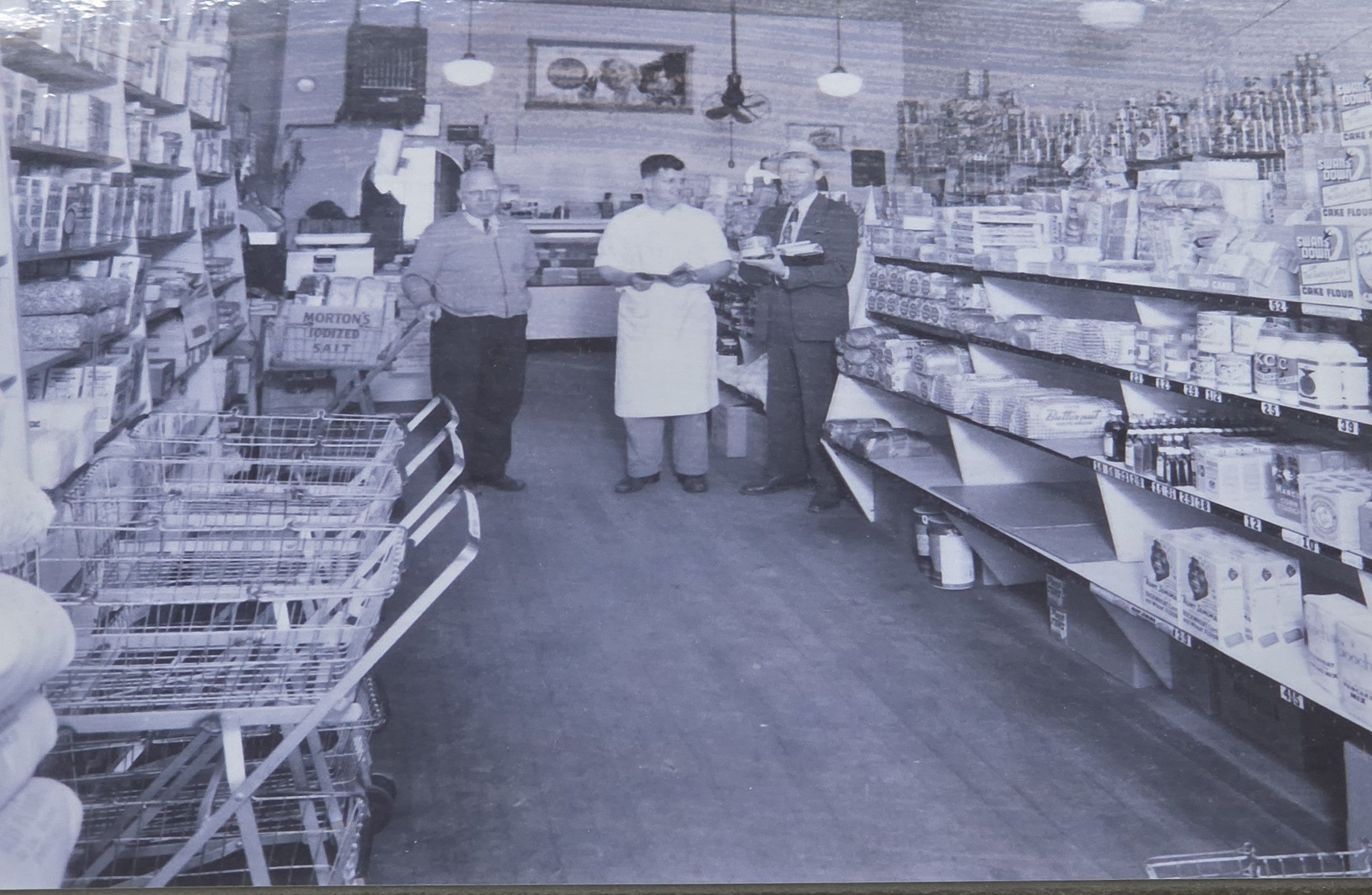
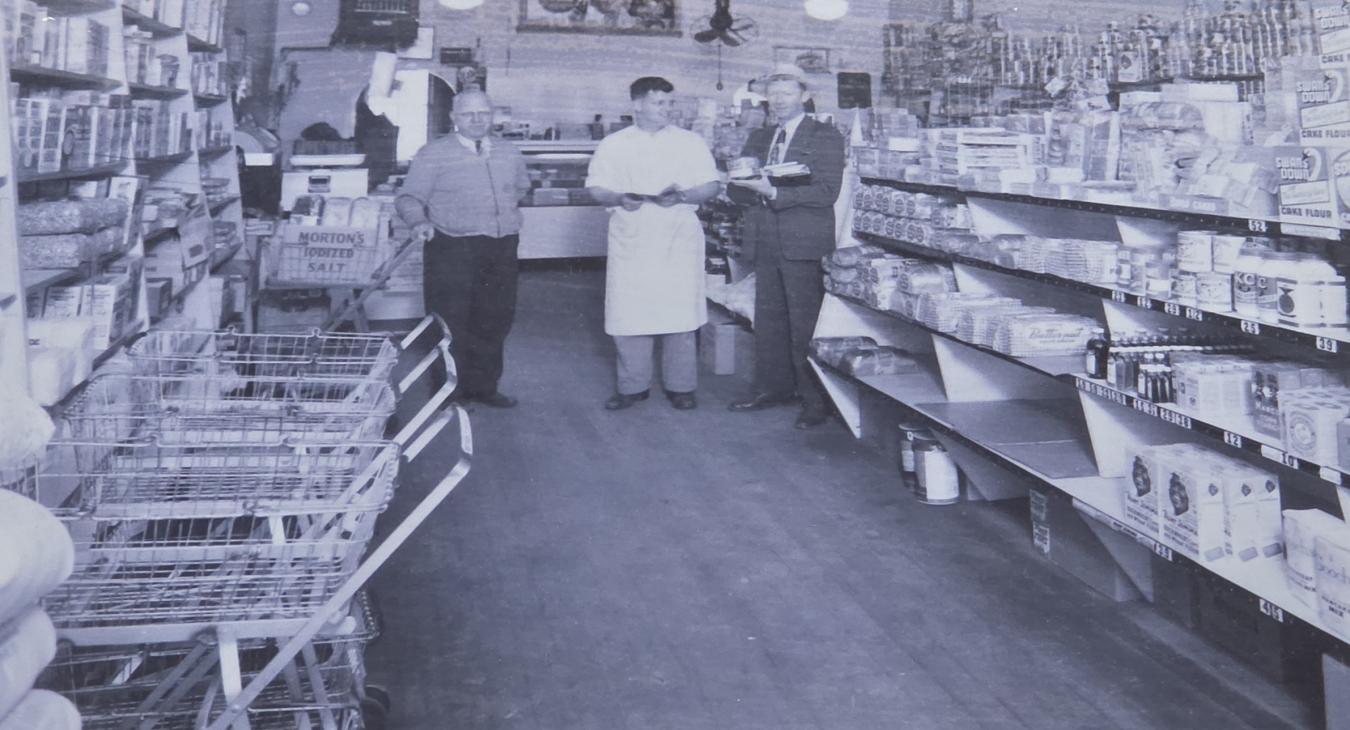
At one time, Oakland had five family-owned groceries. It was a period when Swedish immigrants to the community worked jobs they knew. The markets usually consisted of a single room, offering everything from canned goods and flour to haberdashery items, such as men’s overalls, women’s clothing and household items.
Gust Nelson started in the Oakland grocery business in 1910, opening Star Mercantile, a one-room shop, near the corner of 5th Street and Oakland Avenue.
“In that little, teeny, tiny store you had groceries and dry goods,” said Julie Nelson Johnson, Gust’s granddaughter. “That's kind of unreal.”
In 1926, Nelson, a first-generation Swedish-American, opted to rename the store to Nelson’s Groceteria, Swedish for grocery store. It was a nod to his family’s lineage, as well as the town’s strong Scandinavian influence.
When the Great Depression hit Oakland in the early ‘30s, Nelson displayed his humanitarian side.
“Grandpa must have had a good heart and must have had enough money to feed his four boys, but he would forego those bills,” she said. “Back in the Depression days, everybody was dirt poor.”
Gust’s four sons helped with running the store. Merlin, better known as Curly and Johnson’s father, eventually partnered with his father to run the Groceteria.
Realizing Oakland’s growth - the town eventually topped 1,300 residents during the 1970s - he believed the townspeople deserved a supermarket. With Gust now in his mid-70s, he was ready to let Curly buy the store. After 50 years in the business, it was time for the 76-year-old to call it a career.
So Curly, along with wife Sara, moved to a new building, opening Nelson’s Jack and Jill supermarket in 1961, a block north of his dad’s grocery.
As he planned the new store’s layout, Curly decided to add a freezer section, where he could keep ice cream, which would become a winner with customers. Gust wasn’t keen on the modern convenience, telling his son it was a big mistake.
“He said it was the dumbest decision he could ever make,” said Dillon Johnson, Julie’s son and heir apparent to the store.
“He goes, ‘Curly, that's not gonna work,’” Julie said. “Dad said it was one of the best decisions he made.”
Unfortunately, Gust didn’t get to see his son’s success. The elder Nelson died in June 1960, a few months before Curly opened the supermarket.
Jack and Jill revolutionized the grocery market in Oakland, with expanded food choices. The 20th century came fast to Oakland’s grocery shopping.
One thing remained a throwback: the Nelson children had to manually bag potatoes to be sold at the store. Potatoes were delivered by train in the early ‘60s, so Julie and sister Marilee would head to the tracks with empty bags to load.
Whether or not they wanted.
“It wasn’t ‘If you wanted to work at the grocery store,’” Julie said. “My dad would come home at noon and say, ‘Get ready. You’re going to go to work.’ There weren’t any questions asked. That’s what you did.”
As graduation from Oakland-Craig High School approached in the early ‘70s, Julie set her sights on getting out of town.
“When I was a senior in high school, I was going to get the Hell out of Oakland, and I was never coming back,” she said. “Then you go away, and you find out, ‘Oh, it’s not so nice out there.’”
Joining the family business in the mid-1970s, Julie was groomed to eventually take over, becoming the third-generation owner.
In 1989, Curly handed the baton to Julie. The Jack and Jill named eventually faded from the grocery landscape, replaced by Nelson’s Food Pride.
Julie changed the store’s operation over the years, adding an alcohol section, following the closure of the town’s liquor store. She and Dillon modernized the meat department, as well as adding a kitchen area, serving freshly-baked pizza, broasted chicken and other meal options.
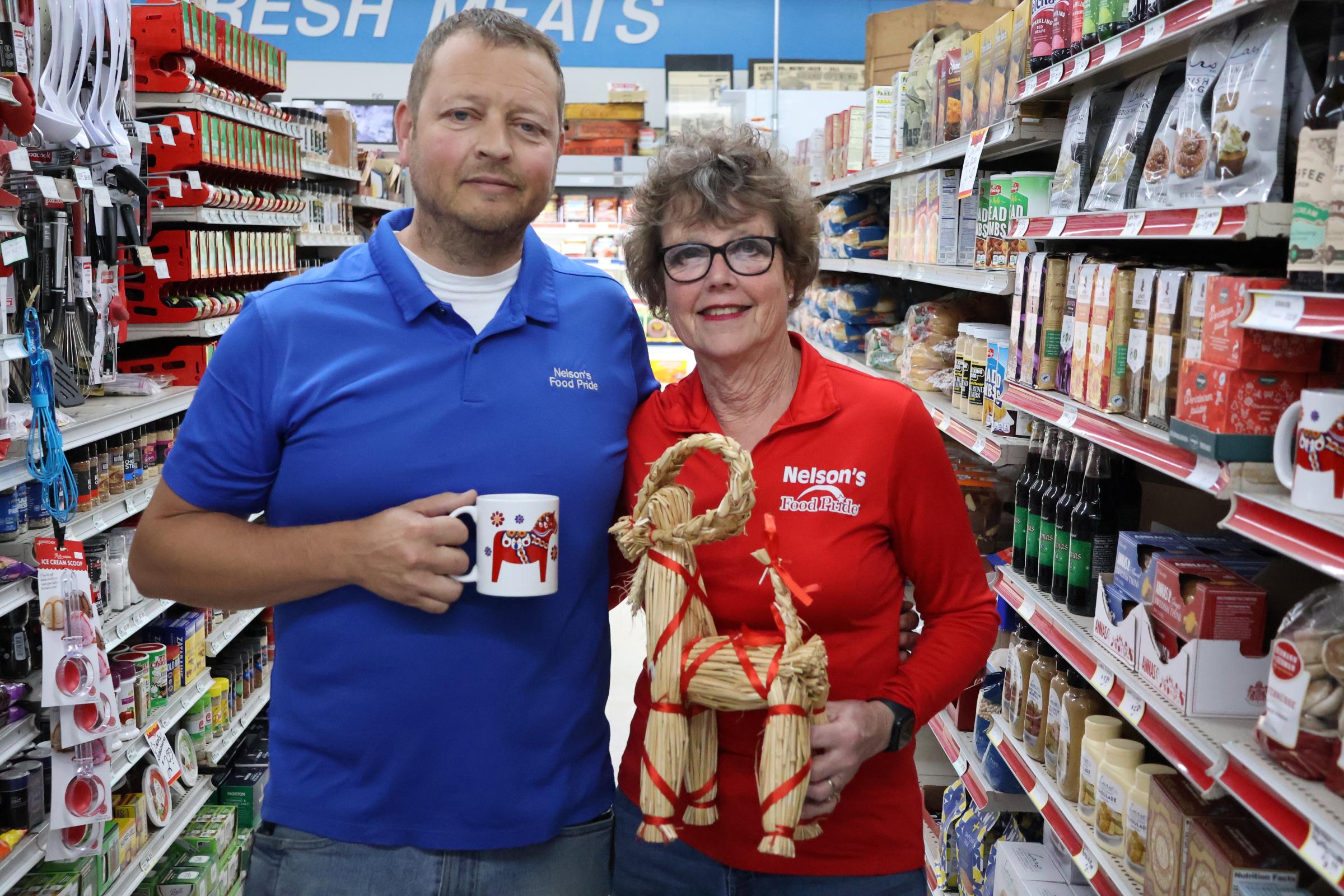
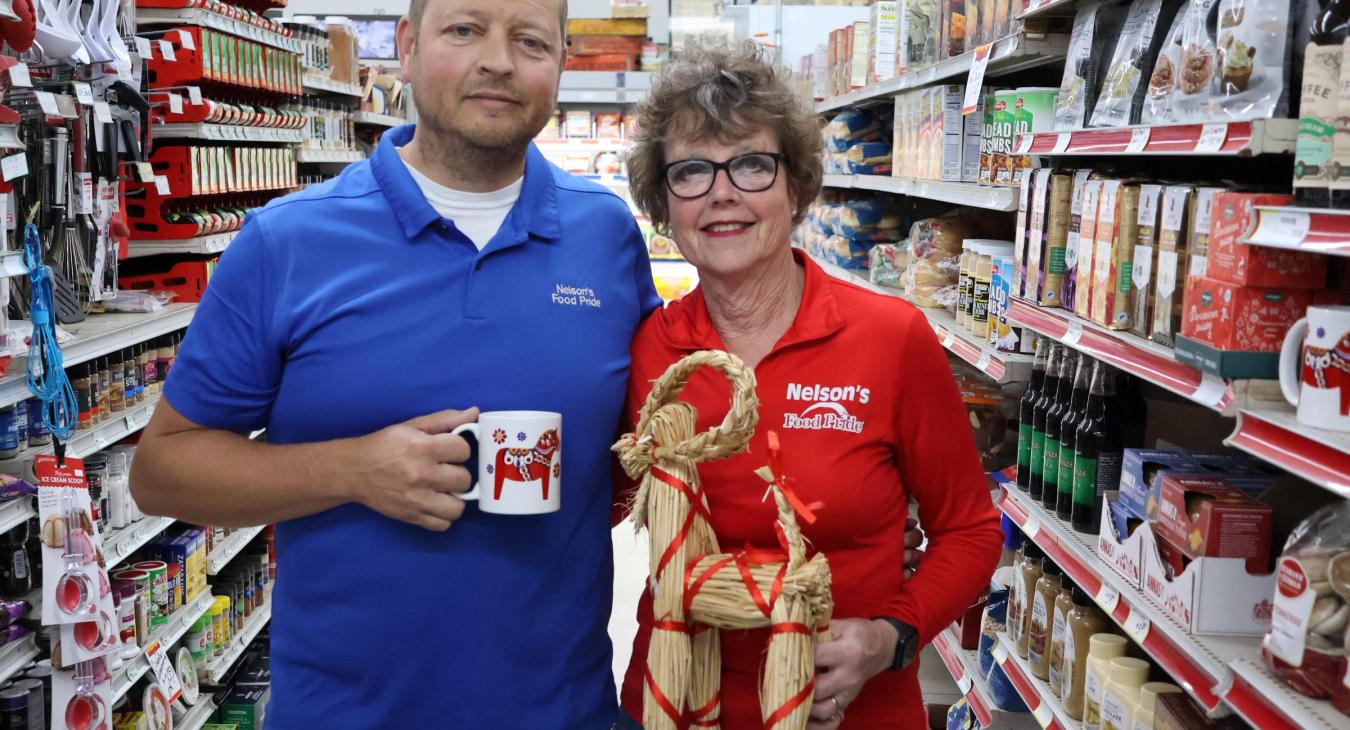
Nelson’s Food Pride is known for its selection of imported Swedish food and home décor. Each December, Julie makes bulk servings of ostkaka, a Swedish cheesecake-style dessert. The store is decorated in traditional Swedish holiday fare.
As they meet challenges head-on, Julie knows her days of running the store are nearing the end.
“Terry (her husband) and I would like to do some traveling while we’re still healthy enough,” she said.
When it’s time, she’ll happily pass the baton to Dillon, like her dad did for her. It will then be Dillon’s time to develop the next generation of Nelsons to serve the Oakland community.