
By Miranda Boutelle
Renting a house or apartment can put you in a challenging spot when it comes to energy efficiency. Renting means that you can’t make all of the decisions about energy efficient upgrades in your home. At the same time, renters are usually responsible for paying the electric bill. That means if the home has inefficient equipment, you’re going to use—and pay for—more energy.
Typically, it is the owner’s responsibility to make energy efficiency upgrades, such as adding insulation or new heating and cooling equipment. Don’t assume they won’t make upgrades. If the home needs upgrades, just ask. I’ve had landlords let me pay for an upgrade and provided a credit on my rent to offset the cost.
In a situation where you don’t have control over all the decisions, choose to focus on what you can control.
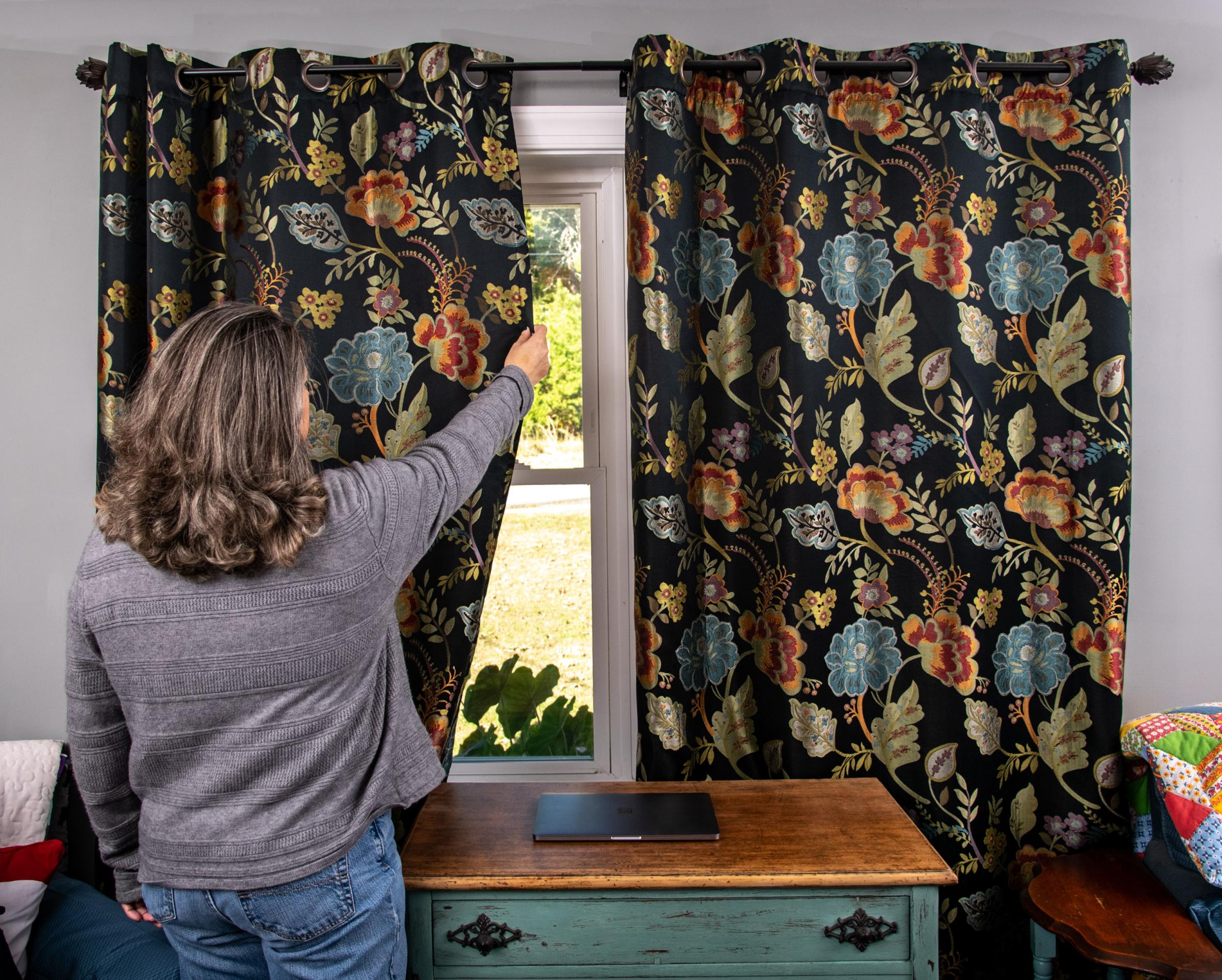
The thermostat is a great place to save energy. Nudging the thermostat a few degrees closer to the outside temperature can help you save money. Adjust the settings when you aren’t home or at night when you’re sleeping. Adding thick curtains can help keep heat out in the summer and make the room feel warmer in the winter. A rug can make a cold floor feel warmer in the winter. These additions can make changing the thermostat a few degrees more comfortable.
Make sure your property owner follows through with annual maintenance and HVAC filter changes. Ignoring these can lead to unnecessary energy waste.
Lighting is another element you can typically control. If your home has incandescent or compact fluorescent bulbs, switch to efficient LEDs. If you don’t have the ability to change the lighting that’s installed in your home, consider using plug-in LED lighting or lamps instead.
Check whether your water heater is wasting energy. The U.S. Department of Energy recommends setting it to 120 degrees. This keeps the water hot enough to be safely stored in the tank and prevents scalding. I recommend calling the owner or property management company to request an adjustment.
One of the benefits of renting is that you aren’t on the hook when equipment breaks down. If the water heater is older than 10 years or showing signs of possible failure, such as leaking, unusual noises or discolored water, let the owner know. Upgrading to a heat pump water heater could be a great fit for your home, saving energy and preventing possible damage caused by a failed water heater.
Another way to save is by finding available rebates and incentives for your home. Because renters typically pay the electric bill, a landlord doesn’t see the financial benefit of monthly energy savings. You can make it easier for them by finding opportunities for energy-efficient upgrades in your home. Your rental might be eligible for insulation, water heater or HVAC upgrades. You might also be eligible for discounts on products that you can buy yourself, such as air purifiers, dehumidifiers or other small home appliances.
If your home has electric heat, adding either a ducted or ductless heat pump—also called a mini-split—provides more efficient heating as well as air conditioning. That’s a popular rebate offering across the country.
Energy efficient upgrades could benefit the homeowner by increasing the property value or keeping a good renter from looking for another place to live. It doesn’t hurt to ask for upgraded equipment and provide information on eligible rebates or incentives. Partnering with your landlord on projects is a great opportunity to benefit both of you.