
By Miranda Boutelle
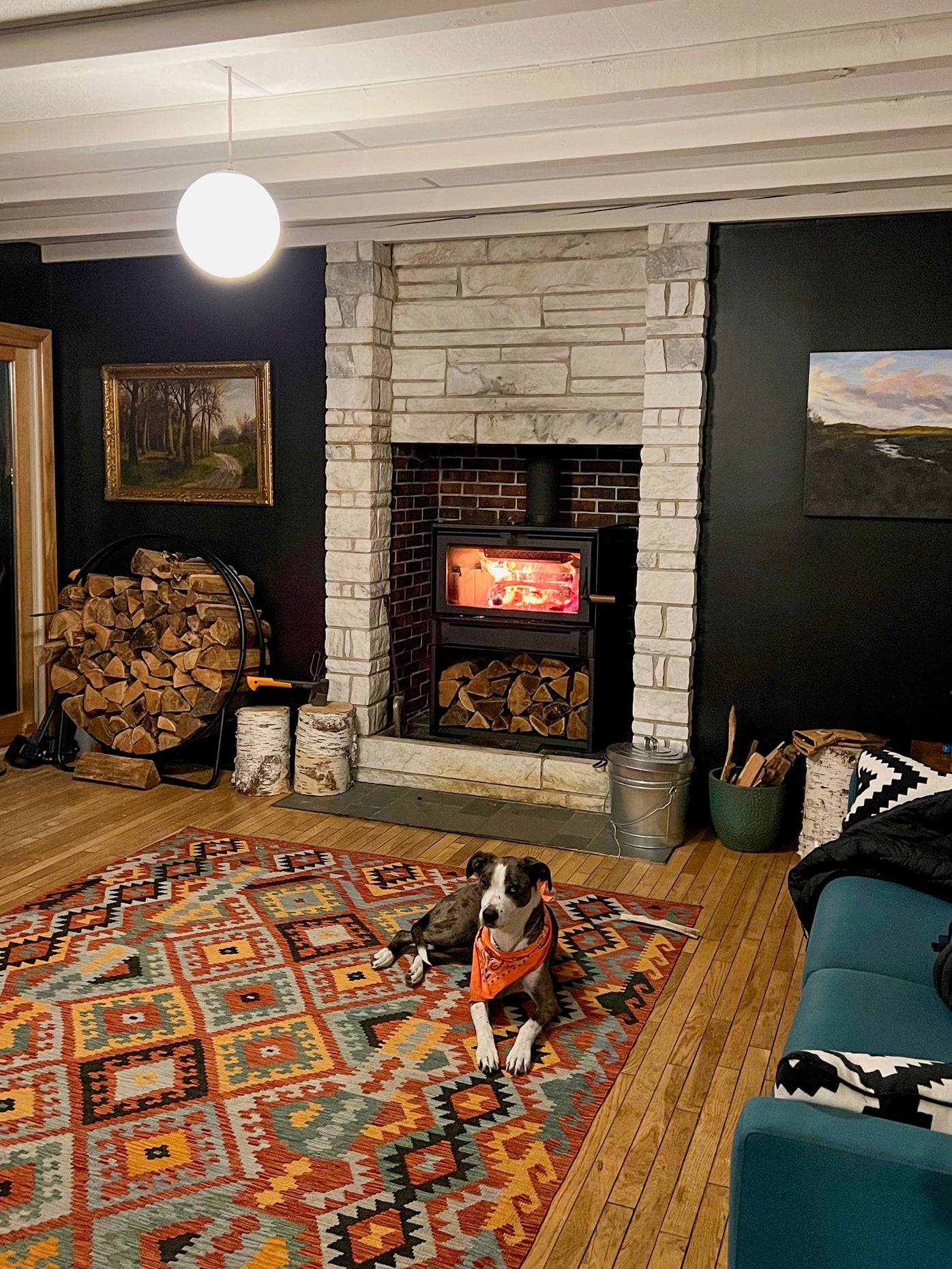
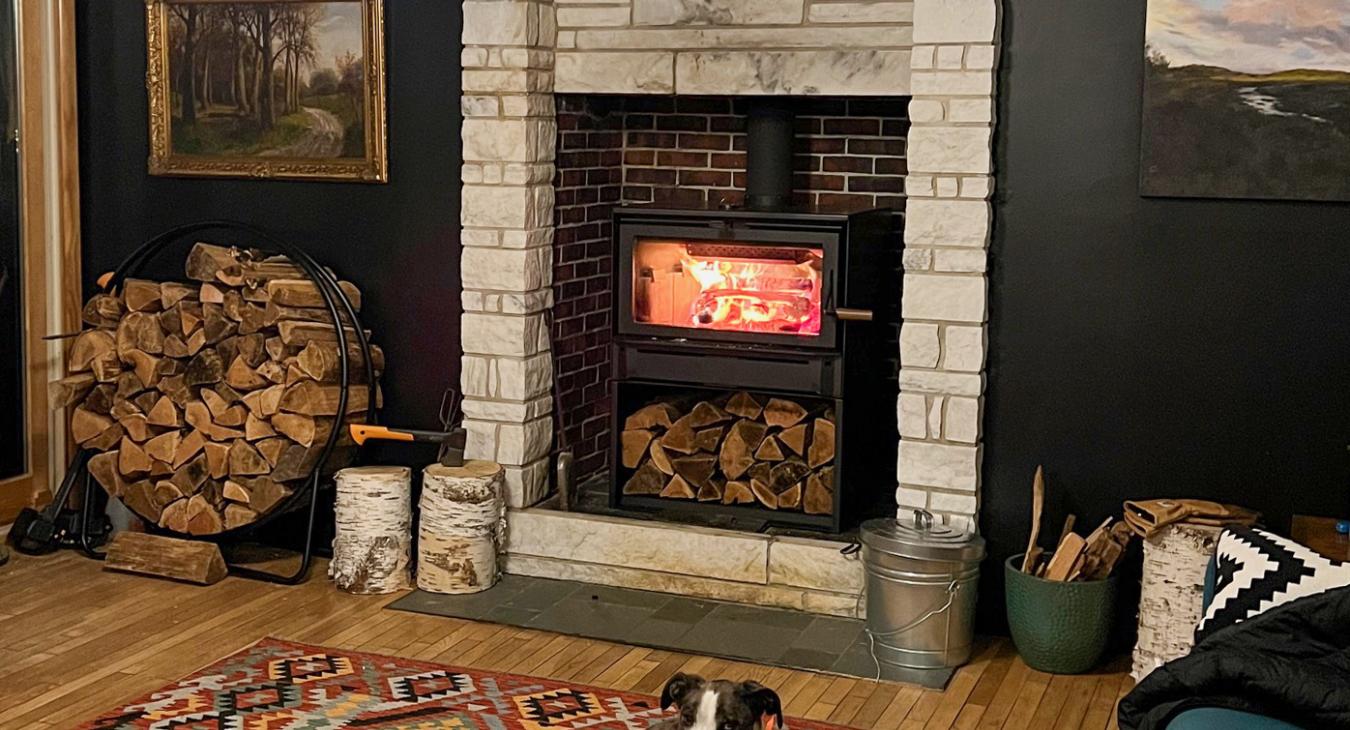
There is something special about the heat of a fire. It’s cozy, comforting and a heat source for households across the country. Whether it provides primary or supplemental heat, a wood or pellet stove must operate safely and efficiently.
Here are some signs your stove may need to be replaced, according to the United States Environmental Protection Agency (EPA):
• You often smell smoke in the house with all the windows closed. Smoke can harm heart and lung health, especially among children and older adults.
• Smoke comes out of the chimney more than 15 minutes after a cold start or reload.
• Watery eyes and stuffy noses are common in your household when operating the wood stove.
• You must continually feed the stove with wood.
The EPA recommends replacing wood stoves manufactured before 1990 with cleaner, more efficient models. This can save you money and make your home safer by reducing fire risk and improving indoor air quality. It also reduces outdoor air pollution. If the back of your stove doesn’t have an EPA label, it’s likely more than 30 years old.
Next, start comparing equipment to find the best fit using the EPA Certified Wood Stove Database. It provides a list of wood and pellet stoves with efficiency ratings, sizes, heat outputs and other details. Local retailers can help you, too. Work with a reputable dealer who can explain the features most important to you. Don’t forget to ask about the highest efficiency models.
Here are some things to consider when choosing a new wood or pellet stove.
Modern wood stoves require less wood, produce less ash and emit almost no smoke. They come in catalytic and noncatalytic options. In catalytic models, smoke gases and particles are burned in a coated ceramic honeycomb, thereby increasing burn time and reducing air pollution. The operation of noncatalytic models is more standard. According to the U.S. Department of Energy, new catalytic wood stoves have efficiencies of up to 83% higher heating value—or amount of heat released—while noncatalytic models are typically in the 65% to 75% range.
A pellet stove is another option to consider. It burns compressed pellets made of wood or other biomass materials. Like a wood stove, there are free-standing units or inserts. It can burn cleaner and doesn’t require hauling wood. Pellets are loaded into the hopper, which feeds them into the combustion chamber for burning. Most pellet stoves use electricity for the hopper and a fan to push warm air into the room. Plan to power them during an outage, if needed. Some models come with battery backup. An EPA-certified pellet stove has a 70% to 83% higher heating value.
Make sure the wood or pellet stove you select is properly sized for your home and heating needs.
Consider the cost of the fuel source—whether you have to buy wood, harvest it yourself or stock up on a specific type of pellet. Reduce fuel consumption and smoke by burning wood that is dry and seasoned, meaning it is split, covered and aged for at least six months. Do not burn trash or treated lumber indoors. It can create indoor air pollution and damage your wood stove. Burning softwood can lead to creosote buildup, which can cause chimney fires.
Installation by a certified technician ensures the job is done right, preventing chimney fires and indoor smoke. Have the stove cleaned and inspected by a professional annually. Also, install carbon monoxide detectors.