
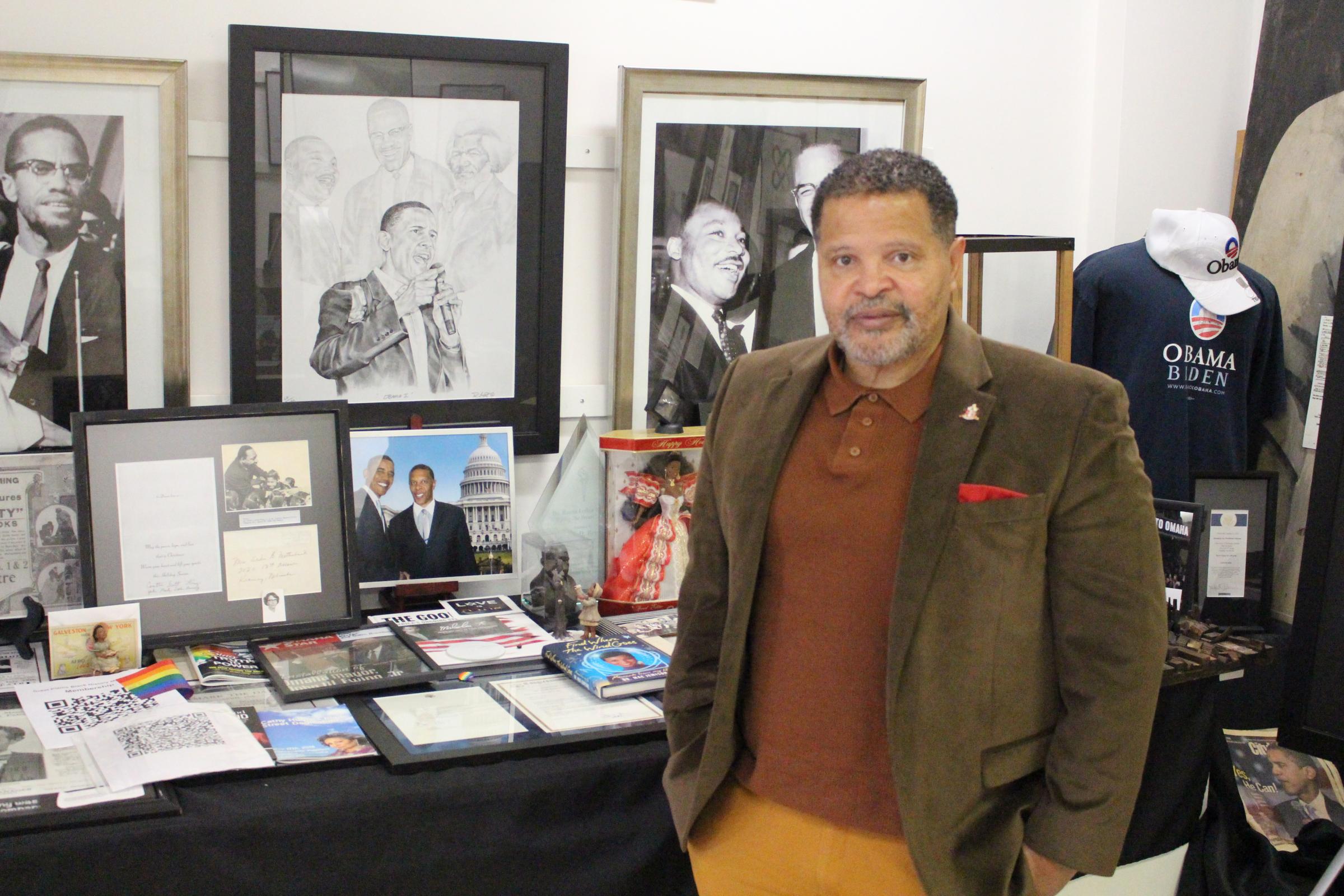
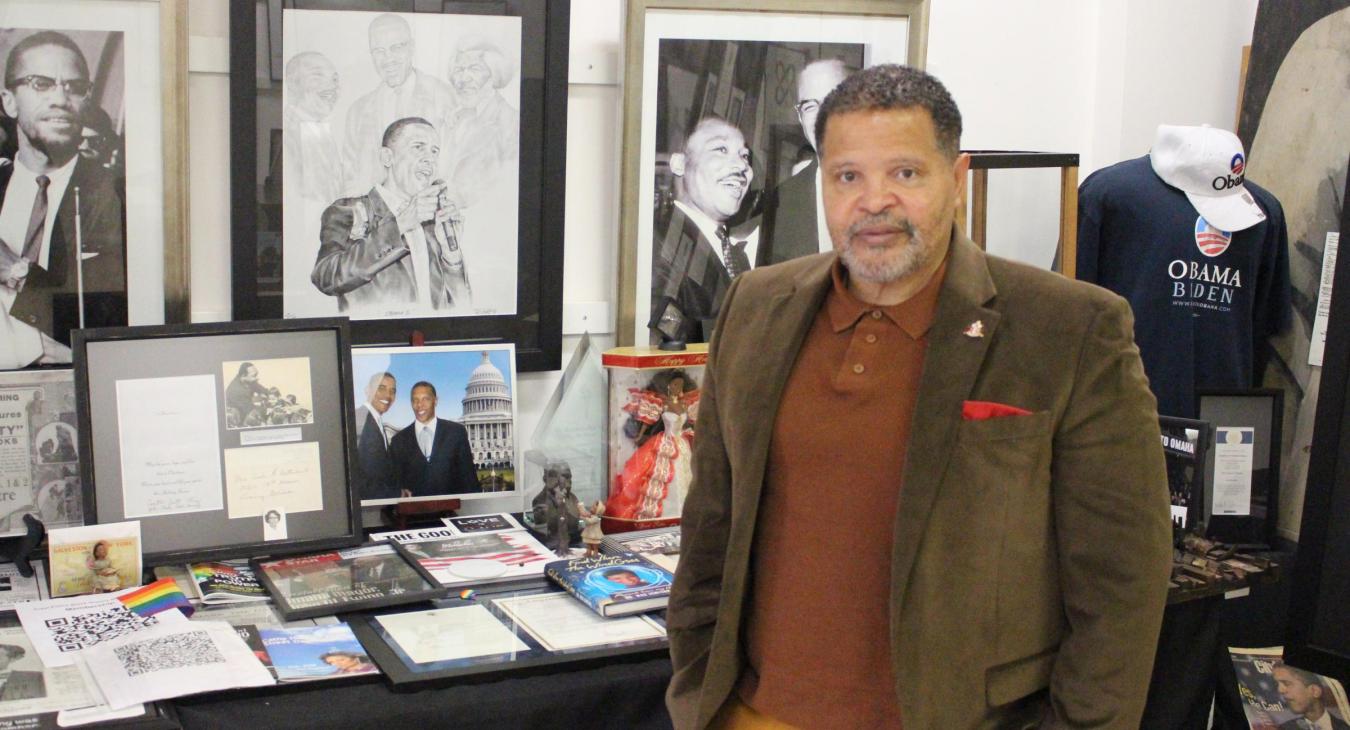
On North 24th Street in Omaha, inside the historic Jewell building, the Great Plains Black History Museum offers visitors a chance to see American history through a fuller and more honest lens. The museum has been part of the community since 1975, when Bertha Calloway set out to create a place where the rich history of African Americans could be preserved, shared and understood. Nearly 50 years later, that mission continues to resonate with people from across the country and around the world.
“No one that comes in here leaves without not knowing something that they didn’t know when they first came in,” said Executive Director Eric Ewing. “Even folks that have been here before.”
Ewing, an Omaha native who has led the museum for nine years, describes the institution as first and foremost an American history museum. Everything on display happened in the United States, he said, and the stories are told through the experiences and contributions of African Americans who helped shape the Great Plains and the nation.
The museum’s journey mirrors its resilience. It began in the historic Webster Building at 23rd and Lake streets, where it remained through the 1990s. After several years as a traveling museum, it opened a location at Crossroads Mall before settling into its current home on North 24th Street in 2017. Today, the museum welcomes visitors from more than 40 states and nine countries each year. In 2025, it recorded more than 13,000 interactions, the highest number in its history, and it has been a popular stop in the Nebraska Passport program.
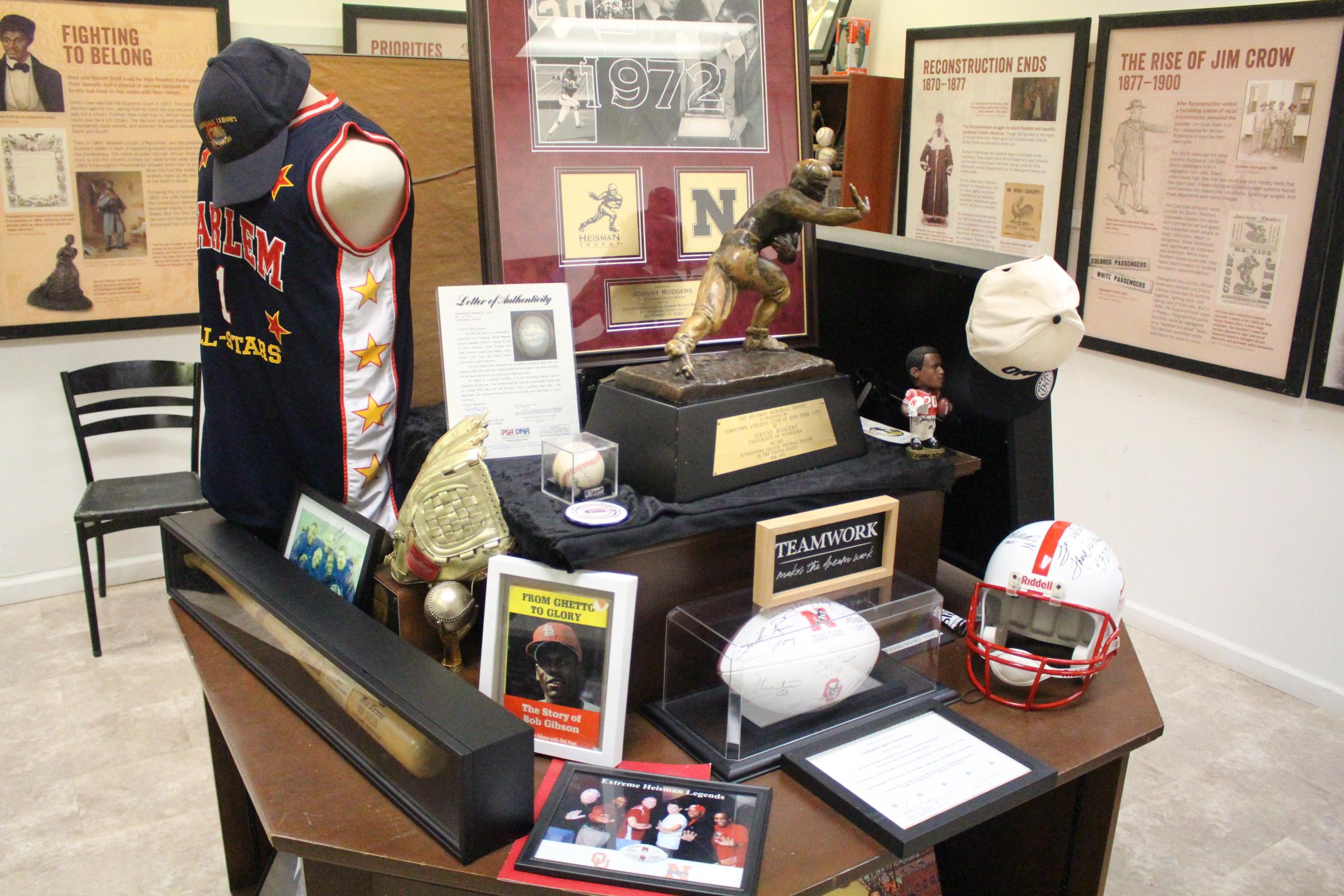
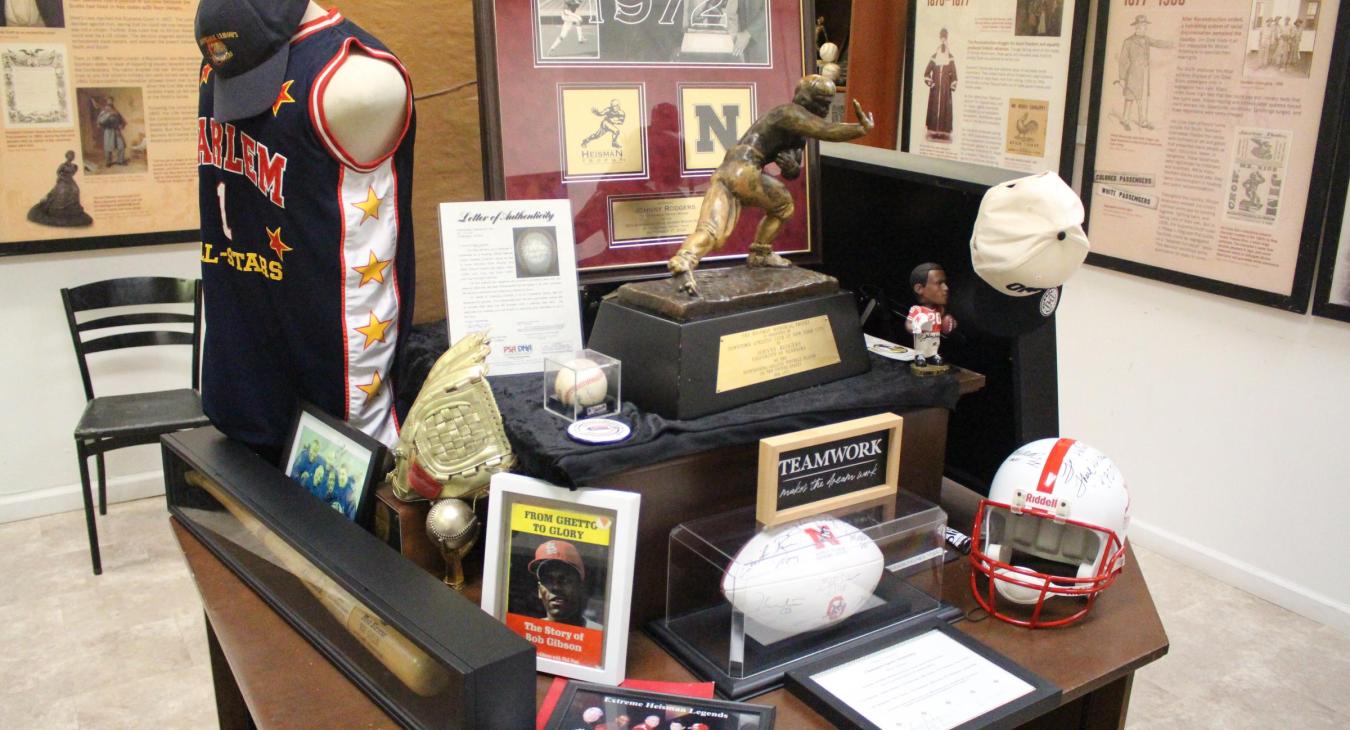
Inside, exhibits connect local history to national movements. A condensed version of 24th and Glory uses photos and artifacts, including Johnny “The Jet” Rodgers’ Heisman Trophy and a baseball bat used by Bob Gibson, to explore the intersection of civil rights and a remarkable generation of athletes from one Omaha community. Other exhibits examine Black citizenship in the age of Jim Crow, the March on Washington, the Tuskegee Airmen, and themes of hate and hope that continue to shape the American story.
Upcoming exhibits will expand that story even further, with a look at the Green Book in February, Negro League Baseball timed with the College World Series in June, a full March on Washington exhibit in August featuring a reading of Martin Luther King Jr.’s “I Have a Dream” speech, and an exhibit on the Buffalo Soldiers of the 9th and 10th U.S. Cavalry in October.
The museum is funded through donations, grants and foundations, and there is no cost to visit. It is open Wednesday through Saturday from 1 to 5 p.m., or by appointment. “Our goal is to include, not to exclude,” Ewing said. As plans move forward for a new facility in the future, the Great Plains Black History Museum remains a place where history educates, challenges and brings people together.